 Navigation

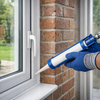
Best Silicone Sealant for Window Frames
5 min reading time
5 min reading time
Sealing window frames properly is one of the most important steps in preventing drafts, water ingress, and long-term damage to both the frame and surrounding structure. Whether you’re a professional installer or a DIY homeowner, choosing the right silicone sealant for window frames makes a huge difference to performance, longevity, and finish.
In this guide, we’ll explain what to look for, the different types of silicone, and which sealants are best suited to modern window installations.
Window frames are constantly exposed to:
Temperature changes
UV radiation
Rain and moisture
Building movement
A poor-quality or incorrect sealant can crack, shrink, or lose adhesion over time — leading to leaks, mould, and costly repairs.
Using the correct silicone ensures:
A flexible, weatherproof seal
Long-lasting adhesion to common window materials
A clean, professional finish
Reduced callbacks and maintenance
Not all silicone sealants are the same. For windows, low modulus neutral cure silicone is usually the best choice.
Low modulus silicone remains flexible after curing, allowing it to absorb movement between the window frame and surrounding materials.
Best for:
uPVC windows
Aluminium frames
Timber windows
Expansion joints around frames
Benefits:
High flexibility
Excellent weather resistance
Long service life
Reduced risk of cracking
High modulus silicone is stiffer once cured and offers higher mechanical strength.
Best for:
Internal joints with minimal movement
Areas where rigidity is required
Not usually recommended for external window frames due to reduced movement capability.
Does not corrode metals
Compatible with uPVC, aluminium, timber, glass, and masonry
Low odour
Safer for sealed glazing units
This is the preferred option for window frames.
Strong initial adhesion to glass
Can release acetic acid during curing
May corrode metals or damage certain substrates
Generally better suited to internal glazing, not external window sealing.
When choosing the best silicone sealant for window frames, look for:
✔ Low modulus flexibility
✔ Neutral cure formulation
✔ UV resistance
✔ Weatherproof performance
✔ Long-term elasticity
✔ Good adhesion without primer (where possible)
Professional-grade silicones are designed to outperform general-purpose sealants, especially outdoors.
Professional installers typically use low modulus neutral cure silicones designed specifically for glazing and façade applications. These provide:
Excellent adhesion to glass and frames
Movement accommodation
Long service life (often 20+ years when installed correctly)
They are suitable for both new installations and refurbishment work.
Remove old sealant completely
Clean surfaces thoroughly
Ensure surfaces are dry and free from dust, grease, or debris
Use masking tape for clean, straight edges
Especially important for visible external joints
Cut the nozzle at a 45° angle
Apply steady pressure for an even bead
Fill the joint fully without trapping air
Tool immediately using a silicone profiling tool or soapy water
Remove masking tape before skin formation
Using general-purpose silicone outdoors
Choosing high modulus sealant for moving joints
Applying silicone to damp or dirty surfaces
Not allowing sufficient curing time
Painting over non-paintable silicone
Avoiding these mistakes dramatically improves seal life and appearance.
The process is the same, but trade-grade silicones typically offer:
Better elasticity
Stronger adhesion
Longer lifespan
Greater consistency between batches
DIY users can still achieve professional results by choosing the correct product and following best practices.
For most window frame applications, the best choice is:
A low modulus, neutral cure silicone sealant designed for glazing and external sealing.
It offers the flexibility, durability, and weather resistance required to protect your windows for years to come.
Whether you’re sealing one window or fitting dozens a week, investing in the right sealant saves time, money, and hassle in the long run.

Dowsil 895 vs Sika SG-500: Which Structural Silicone Is Best? SEO Title: Dowsil 895 vs Sika SG-500 | Structural Silicone Comparison Meta Descriptio...

Silicone sealant is designed to provide a flexible, waterproof, and long-lasting seal — but when applied incorrectly, it can fail far sooner than e...

If you’ve ever checked a sealant datasheet, you’ve almost certainly seen the term “movement accommodation” — often shown as a percentage such as ±2...